
For decades, surveillance cameras were basically glorified wallpaper. They hung there, blinking their little red lights, silently collecting footage no one wanted to watch unless something had already gone wrong. Hours of recordings piled up like that unread novel on your nightstand — technically useful, but good luck getting through it. And when you did? Congratulations, you got to play detective, rewinding and fast-forwarding like a frustrated Netflix user looking for the “skip to crime” button.
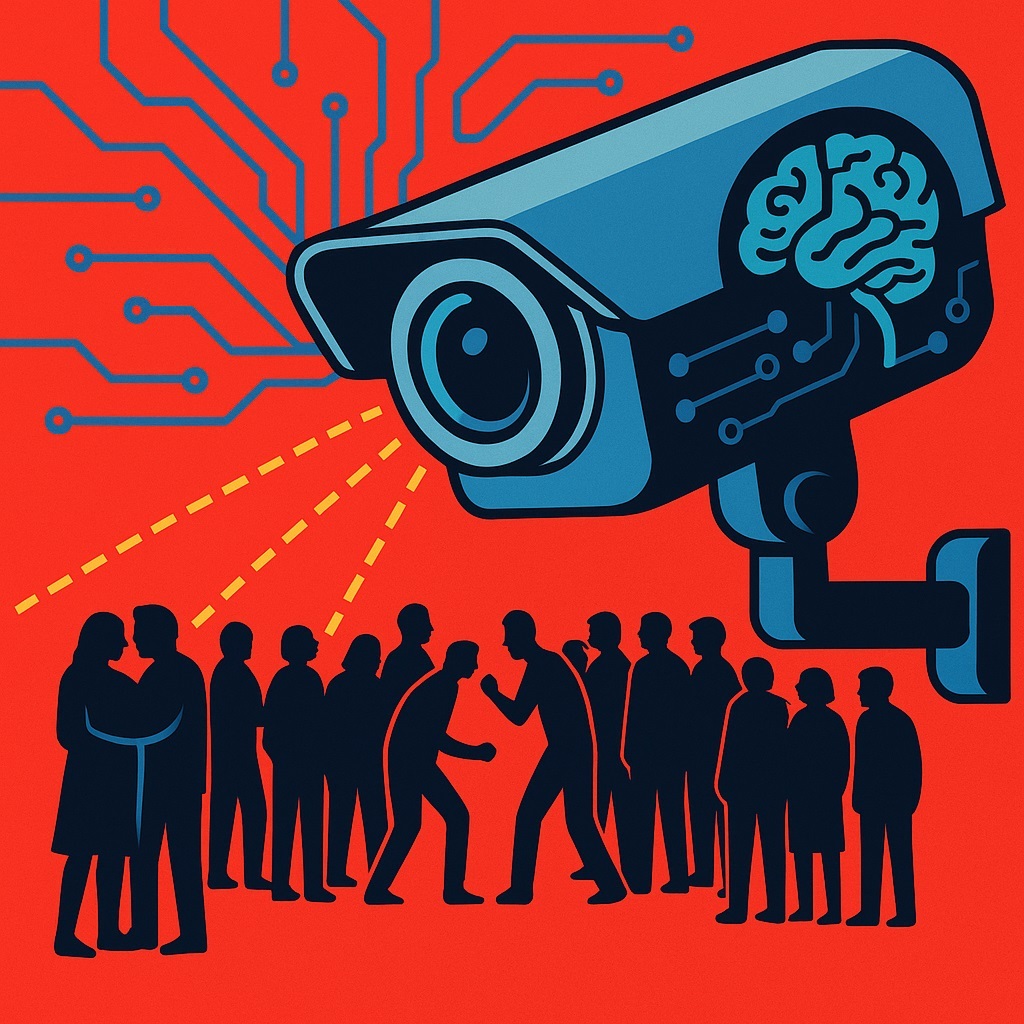
Now enter video analytics — the caffeine-fueled overachiever that refuses to just “watch.” Instead of sitting quietly while chaos brews, these systems raise their digital eyebrows and go, “Really? You’re going to pretend those guys are hugging? Cute. They’re about to throw punches.” Cameras have stopped being passive tattletales and started moonlighting as clairvoyants. They don’t just record the drama; they call it before the first punch lands, the first car stalls in the wrong place, or the first crowd decides to go full zombie apocalypse.
Now enter video analytics — the caffeine-fueled overachiever that refuses to just “watch.” Instead of sitting quietly while chaos brews, these systems raise their digital eyebrows and go, “Really? You’re going to pretend those guys are hugging? Cute. They’re about to throw punches.” Cameras have stopped being passive tattletales and started moonlighting as clairvoyants. They don’t just record the drama; they call it before the first punch lands, the first car stalls in the wrong place, or the first crowd decides to go full zombie apocalypse.
From “Investigate Later” to “Prevent Now”
Old-school surveillance has always been about reaction: record the incident, replay the tape, sip your cold coffee, and sigh. But in a world where threats multiply faster than memes on TikTok, “reactive” just doesn’t cut it anymore. Enter video analytics — software that doesn’t just see but understands. It can flag a threat before it turns into a full-blown incident. Think of it as your camera whispering: “Hey, those two aren’t hugging — this is about to be UFC Fight Night.”
Behavioral Analytics: Brains in the Lens
The magic trick here is context. Legacy systems could only say “this is a car” or “this is a person.” But a car stopped at a red light isn’t a problem. A car stopped in the middle of a busy freeway? Definitely a problem. Someone bending over to tie their shoes? Fine. Someone collapsing to the ground? Call 911. Advanced behavioral analytics doesn’t just spot objects; it reads intent and environment.
And yes, fights come in different flavors too — from high school shoves to soccer-riot chaos. Cameras learn from thousands of clips, building behavioral “signatures” that help them tell the difference between a friendly shove and a barroom brawl. It’s like giving your surveillance system a psychology degree with a minor in street smarts.
From Crowds to Pandemics
This isn’t sci-fi — it’s happening right now in airports, banks, schools, hospitals, even factories. Analytics can tell if a protest is peaceful or about to spiral. It can count how many people are in a store and point out that social distancing just became a nostalgic concept. In healthcare, it can detect a patient falling. In industry, it can prevent someone from walking into a hazardous zone.
Behavioral analytics has essentially become the Swiss Army knife of modern security. It reduces false alarms, trims costs, and lets human operators stop playing “Where’s Waldo?” across a wall of screens.
Less Coffee, More Intelligence
Let’s be blunt: it’s not just about safety — it’s about budgets. You don’t need one operator glued to fifty monitors anymore. The system itself knows when to sound the alarm. That means fewer staff, fewer lawsuits, and fewer sleepy security guards pretending to be alert while secretly browsing Instagram.
Cameras as Oracles
Every year, these systems get sharper. They’re evolving from passive record-keepers into proactive partners. By the time trouble shows up, your camera has already noticed and nudged you to act. It’s prevention, not paperwork.
Bottom line: video analytics is the leap from “watch and record” to “understand and act.” In a world that runs on seconds and risk, this isn’t a luxury — it’s survival. Cameras are no longer mute witnesses. They’re the eyes, ears, and, let’s face it, sometimes the only ones on duty who never fall asleep.
Still running cameras that only record? Congratulations, you’re running a museum exhibit. The rest of the world is already living in the future — where the cameras think faster than your security guard can reach for a donut.