
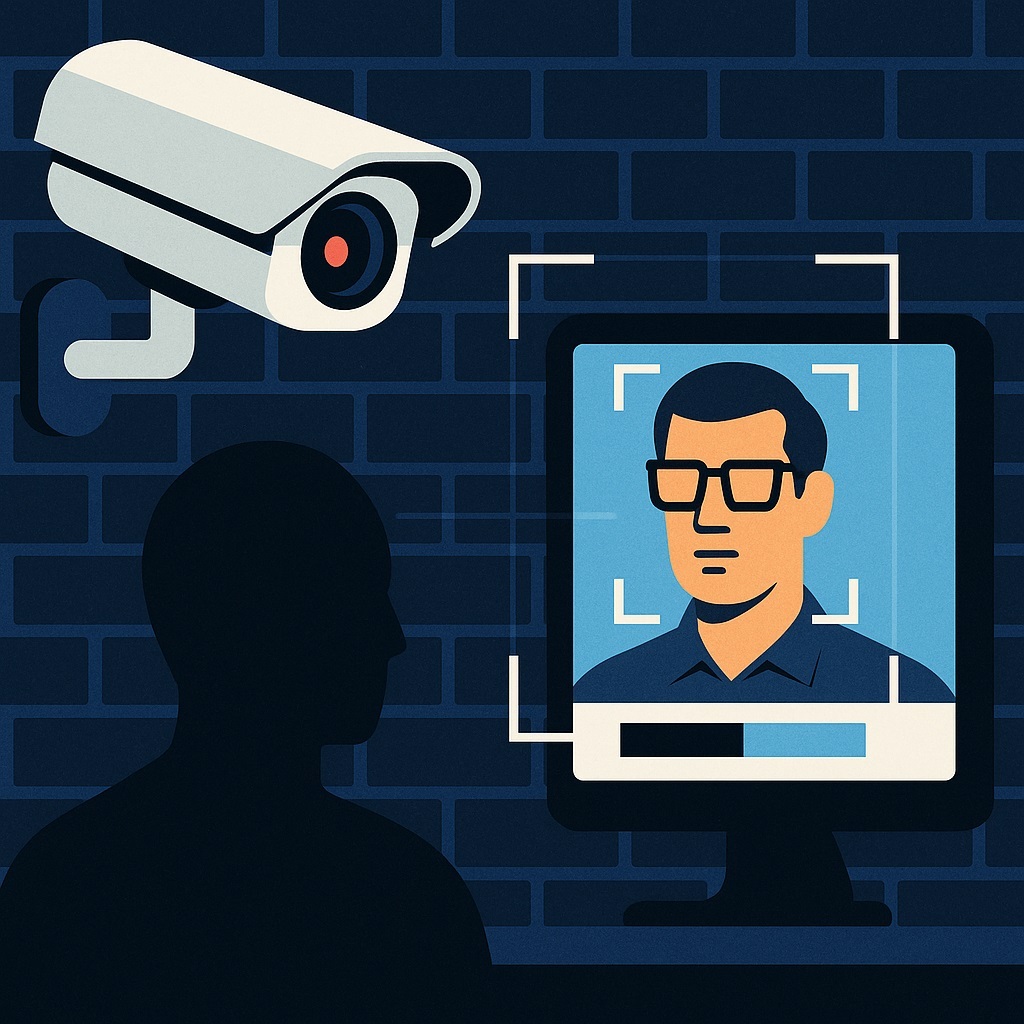
Welcome to the era where your face is not just something you moisturize in the morning — it’s also your office key, your stadium ticket, and occasionally the reason a security guard suddenly gets very interested in you. In a shaky economy where crime can spike like a bad cryptocurrency, businesses have no choice but to look for smarter, cheaper, and faster ways to protect themselves. And that’s where video analytics comes in — not just cameras, but cameras with brains.
Why Businesses Can’t Survive Without It
Let’s face it: rising costs and rising risks are the new normal. Traditional security methods — turnstiles, guards, and VHS nostalgia — just don’t cut it anymore. Companies need a system that doesn’t get tired, doesn’t check Instagram on the night shift, and never asks for vacation days. They need a system that recognizes faces.
Facial Recognition: From Sci-Fi to Daily Routine
Back in the early 2000s, facial recognition sounded like something out of The Matrix. Today it’s an everyday technology, with accuracy rates hitting 99.8%. The workflow is simple: the camera captures a face, the server compares it against a database, and — if there’s a match — security gets an instant alert. The whole process takes fractions of a second.
The killer feature? Scalability. Want to track 100 employees? Easy. A million customers? The system won’t even break a sweat. The algorithm will finish the check before your accountant finds the missing stapler.
Where It Actually Works
Retail. Supermarkets are not just playgrounds for shoppers, but also for shoplifters. Video analytics lets you tag known offenders and warn security before they strike again. One theft, and your face earns a spot on the “no-shopping list.”
Mass events. Stadiums, concerts, festivals — the system distinguishes between a fan with a banner and a hooligan with bad intentions. Think of it as automated crowd control with fewer broken noses.
Offices and factories. Integrated with access control, your face becomes your ID card. No more “I left my badge at home.” Plus, the system tracks discipline: who arrived late, who takes “short smoke breaks” that last an hour, and who seems to live permanently in the break room.
Beyond Faces: When Cars Get a Starring Role
Facial recognition may be flashy, but algorithms are just as good with vehicles.
- On a business center parking lot, the camera raises the barrier automatically for registered tenants.
- Chronic offenders who love parking across two spaces? They get blacklisted.
- Paid parking? Forget tickets and kiosks — the system bills the driver directly.
On highways, similar systems already track speeding and violations, turning every commute into a reality show for drivers.
Why It Pays Off
- Cost savings. Guards need raises; algorithms don’t.
- Accuracy. No confusing the “Vasya who works here” with the “Vasya who shoplifted here.”
- Speed. Alerts are instant, no long investigations required.
- Prevention. Most offenders leave once they realize they’ve been recognized.
Enter Big Brother: The Ethical Catch
Of course, there’s the other side. Cameras with AI are not just protecting businesses — they’re also raising questions. Who’s watching the watchers?
Yes, the system knows that John Smith arrived at 9:07 instead of 9:00. But where do we draw the line between “workplace discipline” and “corporate surveillance state”? Employees aren’t always thrilled at the idea of every move being logged.
That’s where the balancing act begins:
- Businesses must secure data responsibly.
- Employees deserve transparency about how the system works.
- Regulators need to ensure algorithms don’t start punishing people for “looking grumpy at work.”
Technology itself is neutral — it’s our use of it that defines whether it becomes a loyal bodyguard or a digital warden.
Final Note: Smarter Than People (Sometimes)
In the end, “face as the new password” is not just a tech trend, but a shift in how we see security. Algorithms can tell who’s honest, who’s stealing time with extended breaks, and who’s sneaking out with unpaid merchandise. In a world where even refrigerators are smart, it makes sense that security got an upgrade too.
And if it feels a bit creepy, remember: cameras won’t fall asleep on the job, sneak out for a cigarette, or forget their access card. People, on the other hand, do that all the time.