
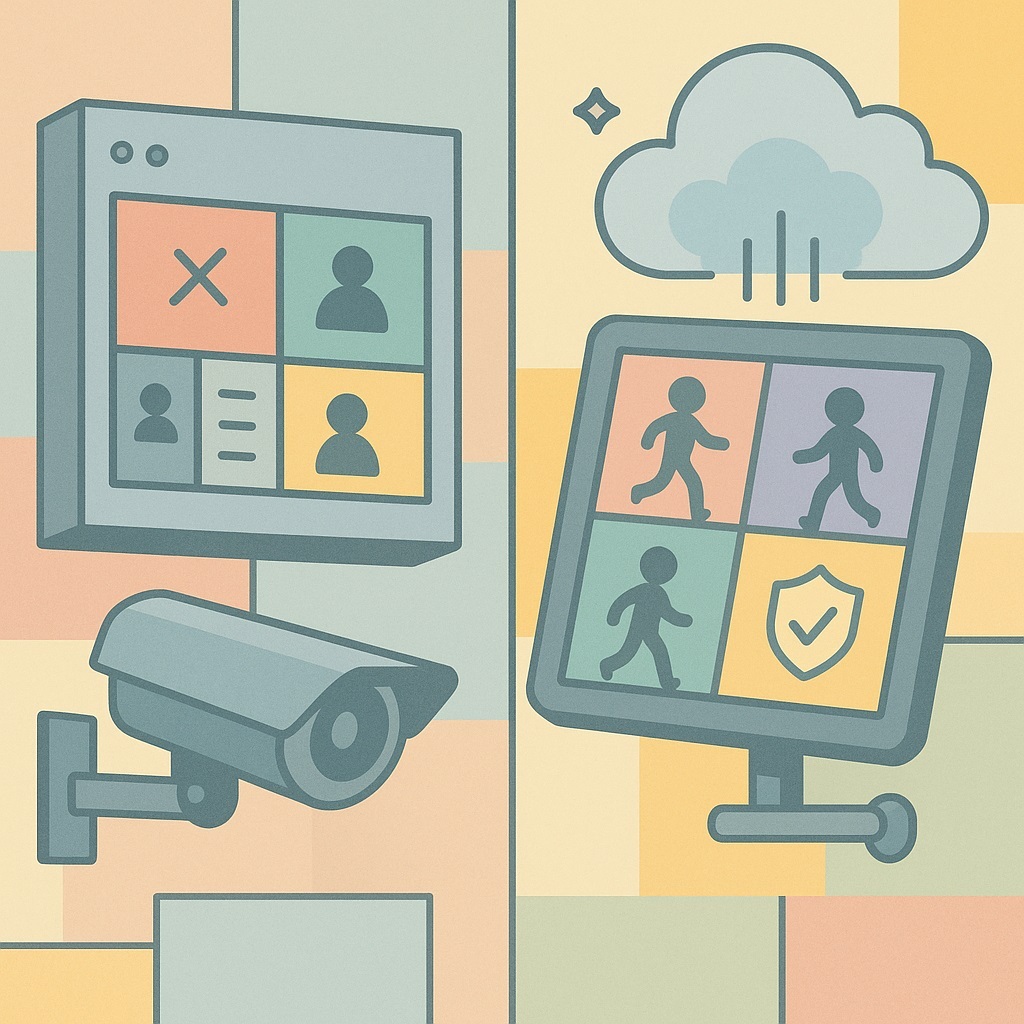
Our world is crawling with surveillance cameras, and—let’s be honest—most of us willingly surround ourselves with them. But take a closer look, and you’ll discover that many of these devices are still running software straight out of the early 2000s, complete with random security holes and “special features” that secretly phone home to the manufacturer. Somewhere in the depths of digital hell, requirements for ActiveX controls and Internet Explorer are still alive and kicking, along with cameras that only play nicely with their own brand’s recorders. For instance, if you buy a Dahua NVR, surprise! It usually only likes Dahua cameras. Some vendors even go the extra mile to cripple RTSP streaming or implement their own “creative” flavor of ONVIF.
Enter the buzzword of the decade: cloud video analytics. We’ve all heard the grand speeches at expos and seminars—about the “future of smart cities” and “the next stage in global security.” Yet after the applause dies down, you often walk away with little more than a bag of brochures and a coffee cup. Analytics has become the sacred chant of the industry—everyone talks about it, few really understand it, and customers often approach it as if it’s some mysterious magical force. Thanks to the endless river of online hype, their expectations are usually sky-high.
And how do these customers arrive at your door? In two main flavors. Either they’ve been dazzled by a camera manufacturer bragging about “built-in analytics” that supposedly gives them everything for free—spoiler: it rarely works, unless “not working at all” counts as working—or they’ve already been burned once and are suspicious of anything that sounds too shiny. In both cases, the golden rule applies: beware of vendor lock-in. Putting all your eggs in one basket is rarely a good idea, especially when the basket requires Internet Explorer 6 to open.
That’s where independent software steps in. Platforms like SmartVision happily slurp up RTSP streams from any brand of camera—yes, even from your bizarre zoo of mixed manufacturers—and present them all in one clean, modern interface. It doesn’t matter if you’re checking from your phone or your desktop, it all works seamlessly. And don’t worry: your security guards can keep staring at their monitors just as they always have. For them, nothing changes—except maybe fewer headaches when the system actually works.
In short: yesterday’s surveillance was about clunky hardware and vendor restrictions. Today, it’s about flexibility, independence, and not having to sacrifice your sanity to ActiveX.
Real-World Examples of User Frustrations
- Hikvision RTSP Lockouts: After a firmware update, one user discovered that his cameras no longer allowed RTSP access. Manual IP tinkering became the only option, with mixed results.
- ActiveX Reliance on Dahua Systems: A Windows 10 user learned the hard way that his Dahua cameras still demanded Internet Explorer and ActiveX controls. With Microsoft dropping support, his “modern” system required running outdated virtual machines just to view live feeds.
- Old IP Cameras and Browser Blocks: Reddit users complained that older cameras became nearly unusable as Chrome, Firefox, and Edge abandoned ActiveX. The common solution offered? “Run Windows XP in a VM.” Not exactly the future of surveillance.
- ONVIF Disabled by Firmware Updates: Hikvision rolled out updates that silently removed ONVIF compatibility, leaving customers unable to integrate cameras with third-party VMS platforms.
- Mac Users Losing Compatibility: After a firmware upgrade, Hikvision cameras stopped working with SecuritySpy on macOS, instantly breaking live video feeds that had worked flawlessly the day before.
These aren’t horror stories from the distant past—they’re ongoing frustrations for real people. And they highlight exactly why independent, vendor-agnostic software like SmartVision isn’t just convenient—it’s essential.